
Reliable emergency power infrastructure requires specialized fuel systems designed for immediate response and long-term operational continuity.
Emergency generators serve as critical backup power for essential services during power outages and infrastructure failures. The fuel systems supporting these generators must meet stringent reliability standards while maintaining regulatory compliance and operational readiness.
Critical Infrastructure Requirements
Emergency power applications demand fuel systems engineered for immediate activation and sustained operation. These systems support various critical facilities including hospitals, data centers, emergency services, and government operations.
Data centers require uninterrupted power to maintain server operations and network connectivity. Emergency generators typically activate quickly after power loss, necessitating fuel systems capable of immediate response and extended operation.
Life safety systems including hospital emergency power and emergency lighting depend on reliable fuel supplies. Municipal emergency services including police stations, fire departments, and emergency communication centers require guaranteed power availability during critical situations.
Fuel System Design Considerations
Emergency power fuel systems require specialized design approaches that differ from standard commercial fueling applications.
Capacity planning must account for extended operation periods during outages. Critical applications often require redundant systems and backup equipment to eliminate single points of failure.
Regulatory Compliance Framework
Emergency power fuel systems must comply with multiple regulatory frameworks addressing fire safety, environmental protection, and operational reliability.
Installation must meet fire code and local fire department requirements for emergency generator fuel supplies. Environmental regulations governing underground storage tanks apply to emergency generator fuel systems. Emergency power systems must comply with building code provisions for emergency power applications.
Installation Specifications
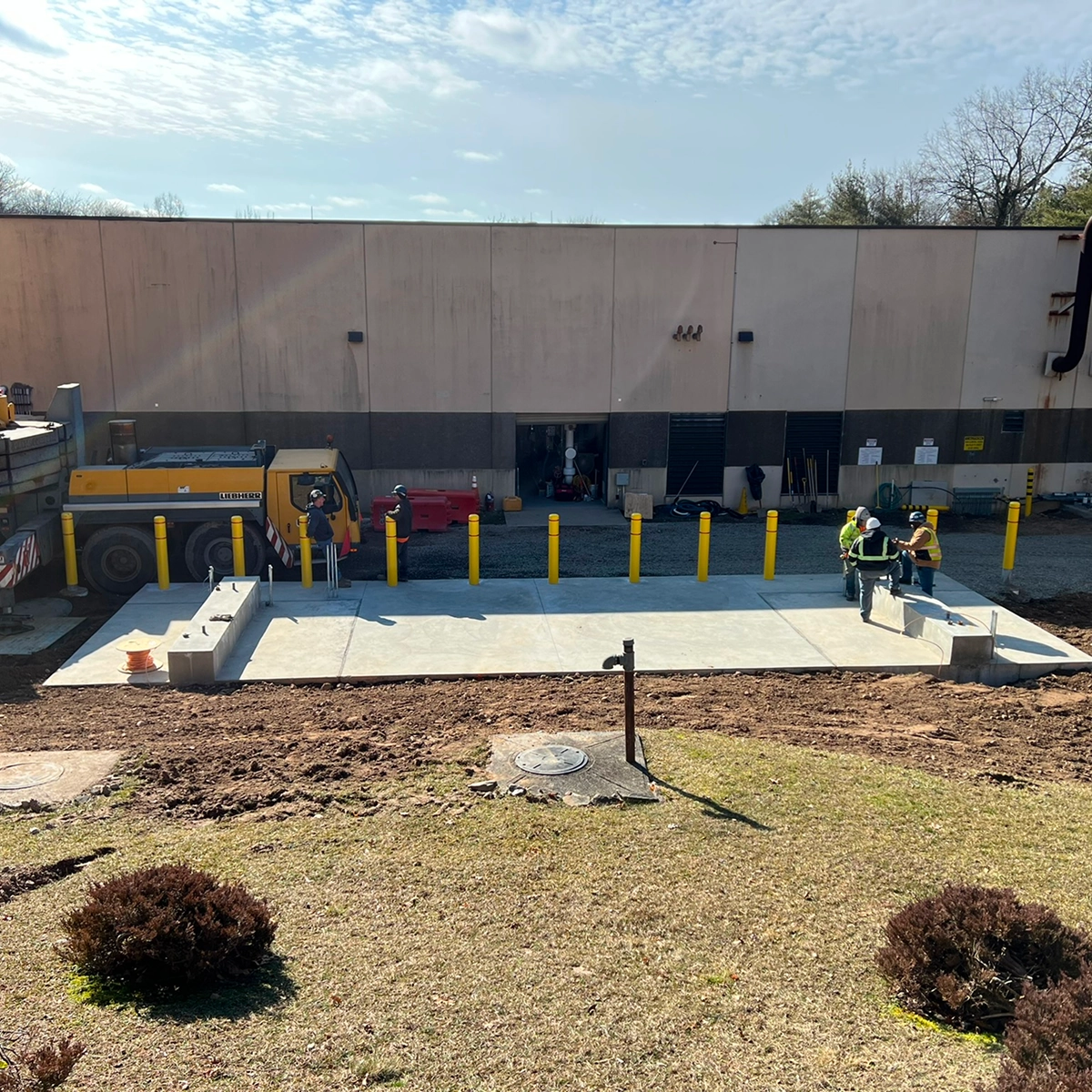
Professional installation of emergency generator fuel systems requires specialized expertise in both fuel system construction and emergency power applications.
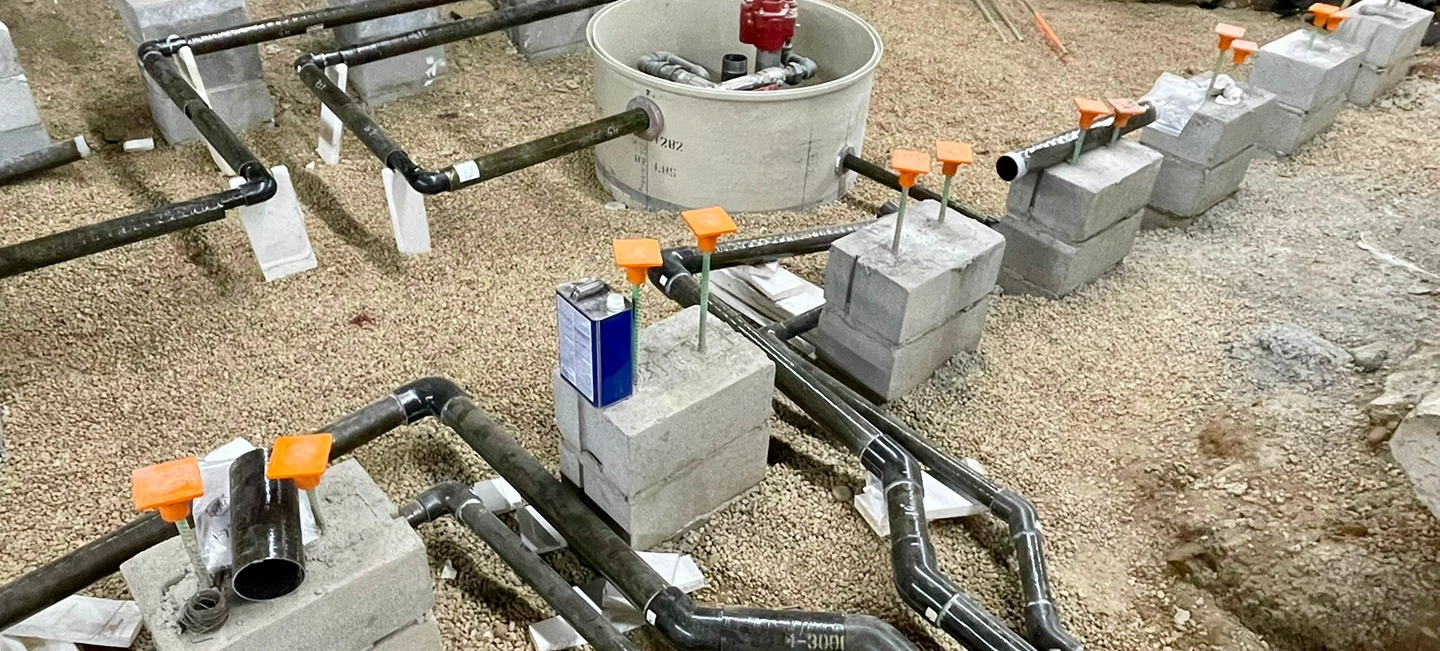
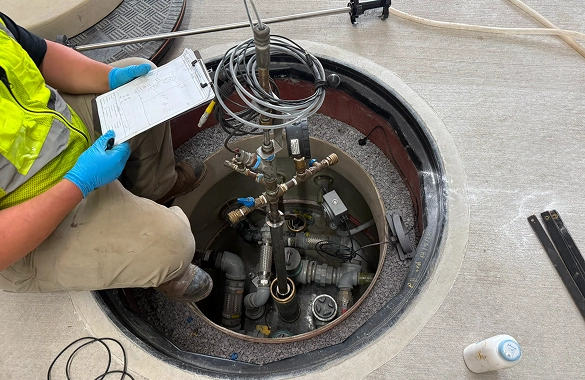
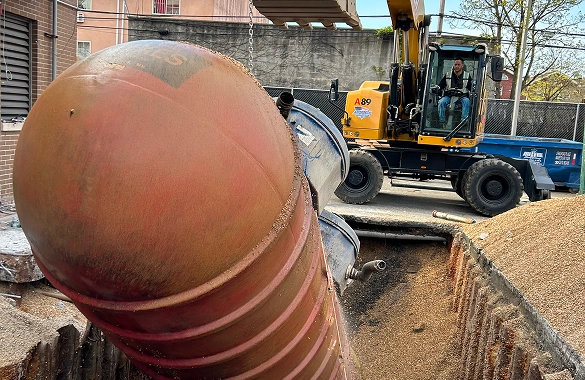
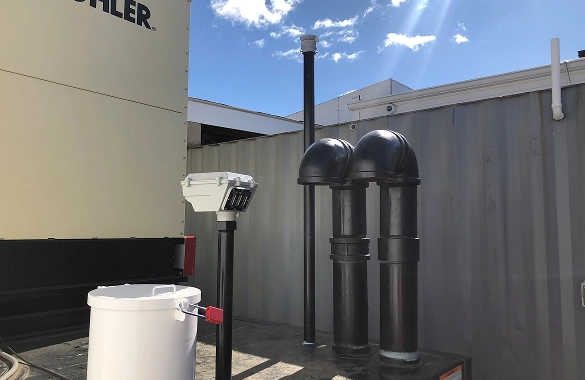
Emergency generator fuel tanks often require specialized installation techniques to ensure reliability during emergency conditions. Some emergency applications utilize above-ground fuel storage with specialized protection systems. Advanced monitoring systems provide real-time fuel level information and integration with building management systems.
Maintenance and Testing Protocols
Emergency generator fuel systems require rigorous maintenance protocols to ensure operational readiness when needed.
Extended storage periods require fuel treatment and regular fuel quality testing to prevent degradation. Regular testing of fuel pumps, monitoring systems, and transfer procedures ensures operational readiness. Scheduled maintenance programs address potential issues before they impact emergency operations.
Integration with Building Systems
Modern emergency power installations integrate fuel system monitoring with building management systems and emergency response protocols.
Remote monitoring systems provide continuous oversight of fuel levels, system status, and environmental conditions. Fuel system status information integrates with emergency response procedures. Emergency fuel delivery procedures ensure refueling capability during extended outages.
Technology Advances
Recent technology developments enhance emergency generator fuel system reliability and performance including advanced leak detection systems, remote diagnostics capabilities, and automated fuel treatment systems that maintain fuel quality during extended storage periods.
Best Practices for System Reliability
Maximizing emergency generator fuel system reliability requires adherence to established best practices throughout design, installation, and operation.
Professional design ensures emergency fuel systems meet regulatory requirements while providing needed reliability. Proper installation techniques prevent future issues that could compromise emergency operations. Professional maintenance contracts ensure emergency fuel systems receive specialized attention required for critical infrastructure applications.
Ensuring Mission-Critical Reliability
Emergency power infrastructure represents a critical investment in operational continuity and public safety. Fuel systems supporting emergency generators require specialized design, installation, and maintenance approaches that differ significantly from standard commercial applications.
Professional petroleum construction contractors with experience in emergency power applications provide the expertise needed to ensure reliable fuel supply systems that perform when needed most. These partnerships ensure regulatory compliance, operational reliability, and confidence that critical infrastructure will function during emergency situations.
Facilities requiring emergency power capability benefit from working with contractors who understand the unique requirements of critical infrastructure and can provide comprehensive solutions that meet both current needs and future expansion requirements.