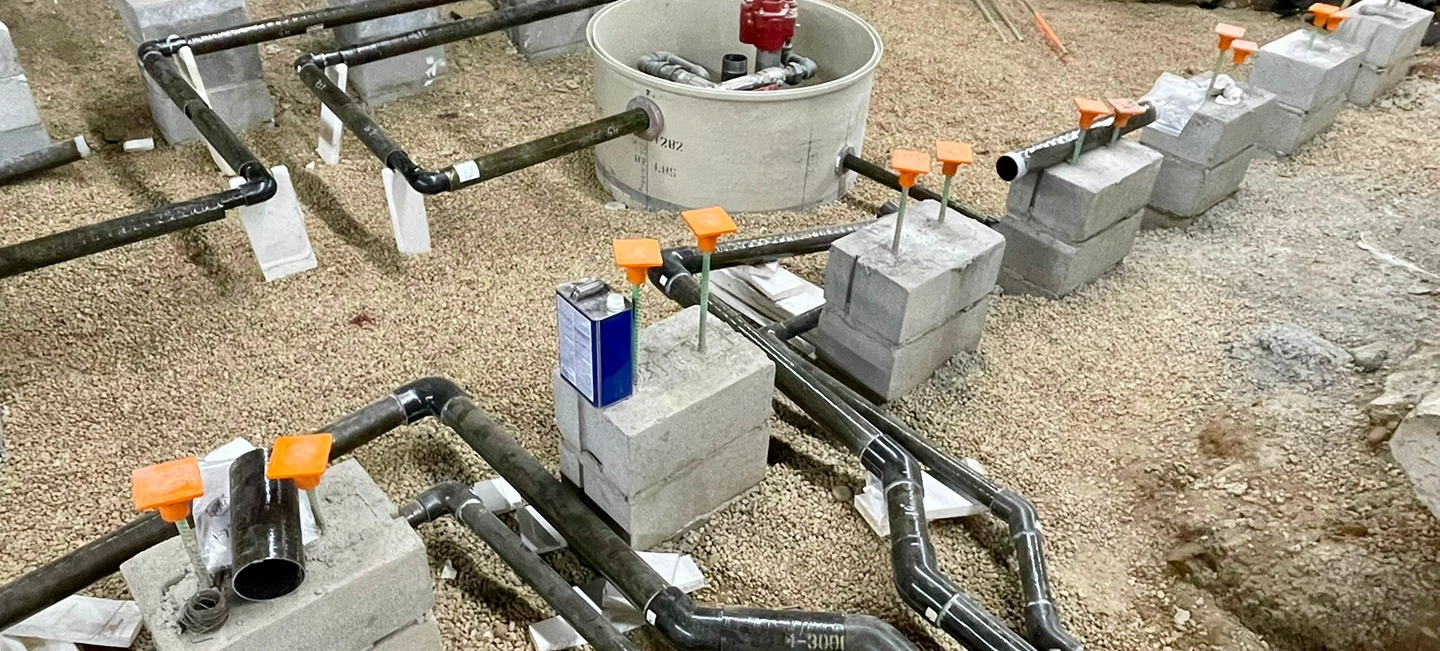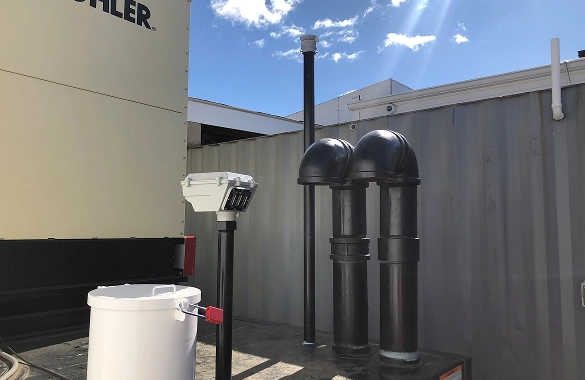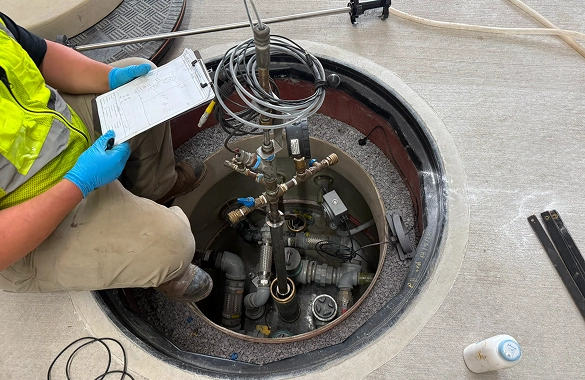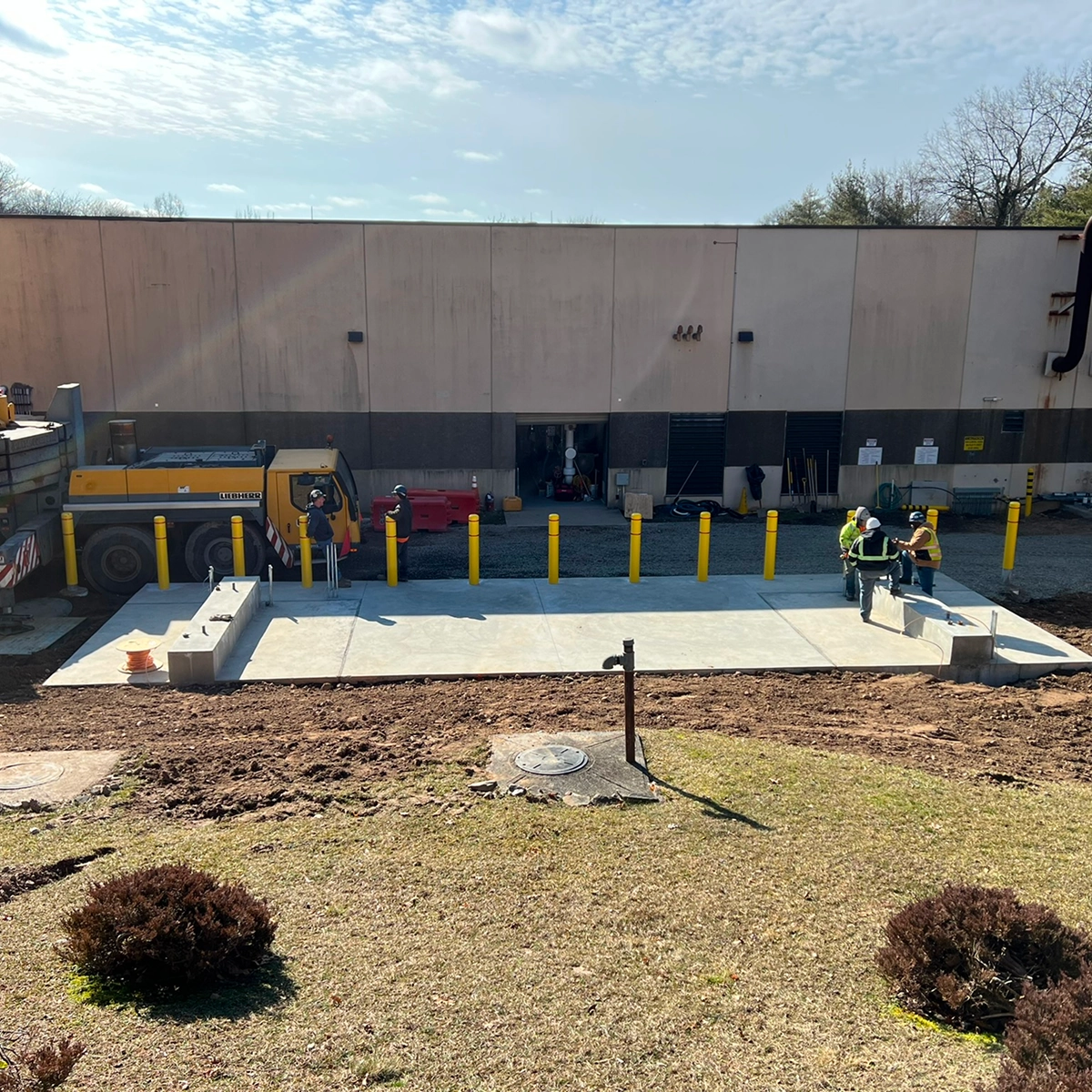

Selecting qualified petroleum construction contractors requires careful evaluation of technical expertise, regulatory knowledge, and operational capabilities.
Petroleum construction projects demand specialized expertise that extends beyond general construction capabilities. Municipal agencies and private facility operators must evaluate contractors based on specific qualifications that ensure successful project completion while maintaining regulatory compliance and operational safety.
Essential Qualifications and Certifications
Professional petroleum construction contractors maintain comprehensive certification portfolios that demonstrate technical competency and regulatory compliance.
Contractors must hold appropriate licenses for petroleum storage system installation and maintenance, including fire department licensing and jurisdiction-specific authorizations. Qualified contractors maintain certifications from major equipment manufacturers and industry organizations. Professional association memberships indicate commitment to industry standards and ongoing professional development.
Experience and Track Record
Evaluating contractor experience requires examining both project scope and client diversity to ensure appropriate expertise for specific applications.
Contractors serving government agencies should demonstrate experience with public sector procurement processes and government compliance standards. Commercial and industrial clients require contractors who understand business operational requirements and can minimize disruption during construction activities. Qualified contractors should demonstrate capability across various project types from maintenance to complex installations involving environmental remediation.
Technical Capabilities Assessment
Modern petroleum construction requires sophisticated technical capabilities that extend beyond basic installation services.
Many petroleum projects involve environmental assessment and remediation requiring specialized equipment and regulatory expertise. Contractors should provide emergency response services for critical system failures that affect operational continuity. Comprehensive contractors handle all project phases including engineering, permitting, installation, and startup services.
Regulatory Compliance Expertise
Petroleum construction contractors must demonstrate thorough understanding of complex regulatory environments affecting fuel storage systems.
Projects often involve federal regulations, state environmental requirements, local fire codes, and municipal permitting processes. Experienced contractors manage permit applications and regulatory approvals, preventing project delays caused by regulatory issues. They maintain comprehensive documentation supporting regulatory compliance throughout project lifecycles.
Financial Stability and Resources
Petroleum construction projects involve significant financial and environmental liability requiring contractors with appropriate financial backing and coverage.
Contractors should demonstrate financial stability and capacity for project completion. Established contractors provide references demonstrating stability and capacity. Professional contractors offer reasonable terms that protect client interests while ensuring project success.
Equipment and Resource Capabilities
Petroleum construction requires specialized equipment and resources that not all contractors maintain.
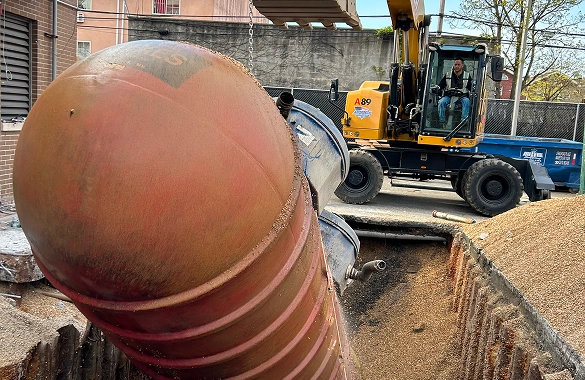
Contractors should own or have reliable access to equipment including excavation machinery, tank installation equipment, and environmental monitoring devices. Professional contractors maintain testing equipment for system verification and environmental monitoring. Contractors should have immediate access to emergency response equipment for addressing unexpected issues during construction.
Quality Assurance Programs
Professional contractors maintain comprehensive quality assurance programs that ensure consistent project outcomes.
Contractors should adhere to established installation standards including manufacturer specifications and industry best practices. Comprehensive testing procedures verify system integrity before project completion and system activation. Professional contractors provide complete project documentation including drawings, testing records, and warranty information.
Client References and Project Examples
Evaluating contractor performance requires reviewing similar projects and contacting previous clients about their experiences.
Contractors should provide examples of projects similar in scope, complexity, and regulatory requirements to the proposed work. Professional contractors provide accessible references who can discuss project performance, timeline adherence, and overall satisfaction. Contractors with long-term client relationships demonstrate consistent performance and customer satisfaction.
Cost Evaluation Considerations
While cost represents an important selection factor, the lowest bid may not provide the best value for complex petroleum construction and maintenance projects.
Qualified contractors provide detailed scope definitions that prevent costly changes and project delays. They can advise about equipment and installation choices that minimize long-term operational and maintenance costs. Professional contractors identify potential project risks and include appropriate considerations in their proposals.
Communication and Project Management
Effective communication and project management capabilities ensure successful project completion and client satisfaction.
Professional contractors establish clear communication procedures that keep clients informed throughout project phases. They develop realistic project schedules and maintain progress tracking systems that identify potential delays early. Qualified contractors handle scope changes professionally with clear documentation and approval processes.
Making the Right Choice for Project Success
Selecting qualified petroleum construction contractors requires comprehensive evaluation of technical capabilities, regulatory expertise, and operational performance. The most effective contractors combine specialized technical knowledge with proven project management capabilities and comprehensive regulatory understanding.
Municipal agencies and private facility operators benefit from working with established contractors who demonstrate consistent performance across similar projects while maintaining the certifications and capabilities needed for complex petroleum construction work.
The contractor selection process should prioritize qualifications and capabilities over cost alone, as the most qualified contractors often provide better long-term value through superior project execution, regulatory compliance, and ongoing support services.