
Comprehensive compliance preparation ensures fuel systems meet current regulatory standards while avoiding costly violations and operational disruptions.
Fuel system inspections have become increasingly rigorous as regulatory agencies strengthen environmental protection and safety requirements. Municipal facilities and private operators must maintain comprehensive compliance programs that address federal, state, and local regulatory requirements.
Federal Compliance Requirements
Federal regulations establish minimum standards for fuel storage and handling systems nationwide, with specific requirements varying based on system type and capacity.
EPA underground storage tank regulations require leak detection systems, corrosion protection, spill prevention equipment, and overfill prevention systems for most underground fuel storage applications. Recent updates have strengthened financial responsibility requirements and operator training standards.
Facilities with significant oil storage capacity must maintain spill prevention control and countermeasure plans that address spill prevention measures, containment systems, and emergency response procedures.
New York State Regulatory Framework
New York State maintains comprehensive petroleum storage regulations that exceed federal minimum requirements.
The state fire code establishes specific requirements for fuel storage system installation, maintenance, and operation. Recent updates have strengthened requirements for monitoring systems and emergency response procedures.
Department of Environmental Conservation regulations address environmental protection aspects of fuel storage including groundwater monitoring, leak detection system performance standards, and remediation requirements for identified releases. New York’s petroleum bulk storage program requires registration, regular testing, and compliance with specific technical standards for petroleum storage systems.
Municipal and Local Requirements
Local fire departments and municipal agencies often maintain additional requirements that supplement state and federal regulations.
Many jurisdictions require annual fire department permits for fuel storage systems, with inspections verifying compliance with local fire safety requirements and emergency access standards. Local building codes may establish specific requirements for fuel system installation, structural supports, and integration with building fire suppression systems. Municipal zoning ordinances may limit fuel storage capacity, establish setback requirements, or restrict certain types of fuel storage in specific areas.
Pre-Inspection Preparation Checklist
Thorough preparation prevents compliance issues and ensures inspections proceed efficiently without operational disruptions.
Documentation review should include current permits and registrations for all fuel storage systems, recent inspection reports and corrective action documentation, operator training records and certification documentation, maintenance records for all system components, and environmental monitoring data and testing results.
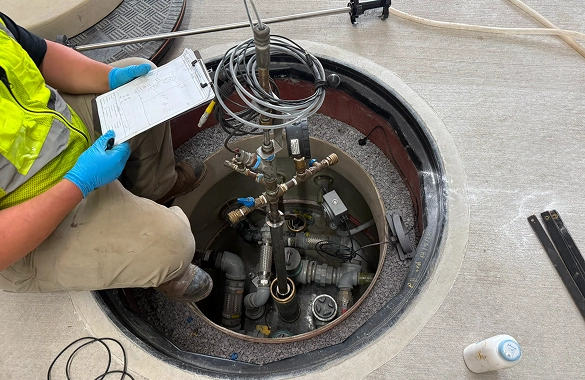
Physical system inspection should verify leak detection system functionality and calibration records, spill containment equipment condition and capacity verification, overfill prevention system operation and testing documentation, corrosion protection system performance verification, and tank and piping system integrity assessment.
Emergency preparedness should include current emergency response procedures and contact information, spill response equipment inventory and condition verification, employee training documentation for emergency procedures, and coordination protocols with local emergency responders.
Common Compliance Deficiencies
Understanding frequent compliance issues enables proactive corrective action before inspections identify problems.
Older leak detection systems may not meet current performance standards or may require expired calibration updates to maintain regulatory compliance. Missing maintenance records, outdated permits, or incomplete operator training documentation represent common compliance deficiencies that are easily preventable. Inadequate spill response equipment, outdated emergency contact information, or insufficient employee training often result in compliance violations.
Technology Updates for Compliance
Recent regulatory updates have strengthened technology requirements for fuel storage systems including enhanced monitoring systems with improved reliability and accuracy specifications, remote monitoring capabilities that provide continuous oversight, and advanced inventory management systems that help demonstrate compliance while providing operational benefits.
Corrective Action Procedures
When inspections identify compliance deficiencies, prompt corrective action prevents escalation to enforcement actions.
Address safety-related deficiencies immediately to prevent potential hazards. Develop comprehensive corrective action plans that address root causes rather than surface symptoms. Engage experienced petroleum construction contractors to ensure corrective actions meet current regulatory standards and prevent recurring issues.
Professional Compliance Support
Maintaining fuel system compliance requires ongoing attention to evolving regulatory requirements and industry best practices.
Professional compliance audits identify potential issues before regulatory inspections, enabling proactive corrective action that prevents violations. Experienced contractors maintain current knowledge of regulatory changes and can advise clients about new requirements that affect existing systems. Professional contractors provide rapid response capabilities when compliance issues arise, minimizing operational disruption and regulatory exposure.
Investment in Compliance Infrastructure
Long-term compliance requires strategic investment in systems and procedures that exceed minimum regulatory requirements including redundant monitoring systems, enhanced training programs, and preventive maintenance contracts that ensure fuel systems receive regular attention needed to maintain regulatory compliance and operational reliability.
Regulatory Trend Analysis
Understanding regulatory trends helps facility operators prepare for future compliance requirements. Regulatory agencies continue strengthening environmental protection requirements, particularly for groundwater protection and contamination prevention. Regulators increasingly expect fuel storage operators to utilize available technology for improved monitoring, leak detection, and inventory management. Recent regulatory changes have strengthened operator training requirements and personal accountability for compliance violations.
Staying Ahead of Regulatory Requirements
Fuel system compliance requires comprehensive preparation that addresses federal, state, and local regulatory requirements. Successful compliance programs integrate thorough documentation, regular system maintenance, ongoing operator training, and proactive corrective action procedures.
Professional petroleum construction contractors provide the expertise needed to navigate complex regulatory requirements while maintaining operational efficiency. These partnerships ensure fuel systems remain compliant with evolving regulations while providing the reliability needed for critical operations.
Facility operators benefit from working with experienced contractors who understand current regulatory requirements and can provide guidance for maintaining compliance throughout changing regulatory environments. This proactive approach prevents costly violations while ensuring fuel systems continue meeting operational requirements.